Dairy-Free Cheese Alternatives Explained
If you are avoiding dairy for allergy, intolerance, ethical or health reasons, the range of alternatives can be confusing. This guide sorts the main types by what they are good at, so you can match the alternative to the job.
Why “dairy-free” is not always “vegan”
The two overlap but are not the same. A product may be lactose-free but still contain dairy proteins, and a vegan product is always dairy-free. If you have a milk allergy, you need to avoid milk proteins (casein, whey), not just lactose. Always read the label.
The main types
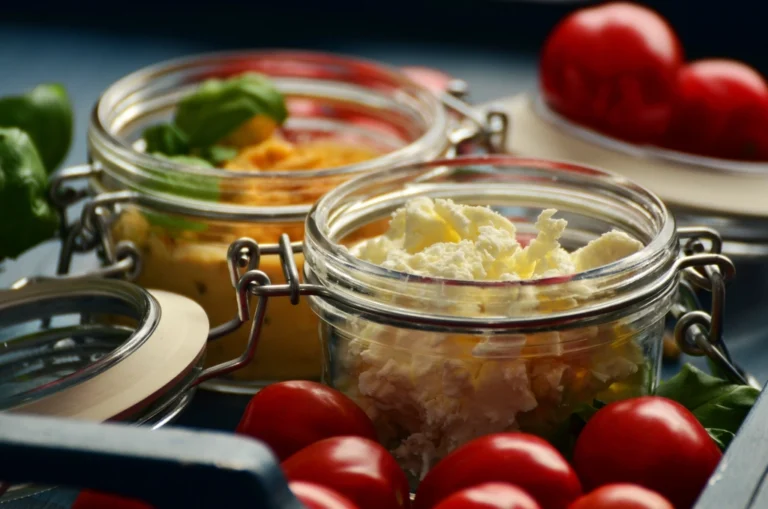
Cashew-based
Creamy, mild and the most cheese-like. Best for spreads, soft cheeses, sauces and desserts. Good cultured versions have real tang. Not suitable for nut allergies.
Coconut-based
Excellent melting and stretch thanks to coconut oil. Best for meltable slices, shreds and pizza toppings. The coconut flavour can be noticeable in milder cheeses; stronger flavours hide it.
Soy-based
High in protein and good for firm, sliceable cheese and cream cheese alternatives. A solid all-rounder, though the flavour is distinct.
Oat, almond and other nut bases
Vary widely. Oat is mild and works in spreads; almond and macadamia suit gourmet cultured cheeses. Textures range from crumbly to creamy.
Nutrition: what to check
- Protein — many plant cheeses are much lower in protein than dairy cheese; soy and some nut cheeses are exceptions
- Saturated fat — coconut-oil-based cheeses can be high in saturated fat
- Calcium — dairy cheese is a major calcium source; check whether the alternative is fortified
- Additives — starches and gums are common and generally fine, but ultra-processed products vary
Matching the alternative to the job
- Melting on pizza or burgers — coconut-based shreds
- Soft spread for crackers — cultured cashew
- Mac and cheese — homemade cashew or potato sauce
- Desserts and dips — cashew or soy cream cheese alternatives
Making your own gives you control over ingredients and flavour — start with our cashew cheese and vegan cheese guide.