Cheddar Cheese Explained: From Mild to Extra Mature
Cheddar is probably the most eaten cheese in the English-speaking world, and also one of the most misunderstood. The bland, rubbery block in the supermarket chiller is Cheddar in name, but real Cheddar — the kind that has been made and matured properly — is one of the great cheeses, capable of rivalling any Parmigiano.
What makes a cheese a Cheddar
Cheddar is a semi-hard, pressed cow’s milk cheese named after the village of Cheddar in Somerset, England, where it has been made since at least the twelfth century. The defining step is “cheddaring”: slabs of curd are stacked and turned repeatedly to drain whey, giving the finished cheese its characteristic dense, crumbly-but-sliceable texture.
The spectrum of maturity
The word “Cheddar” covers an enormous range. What changes most is age.
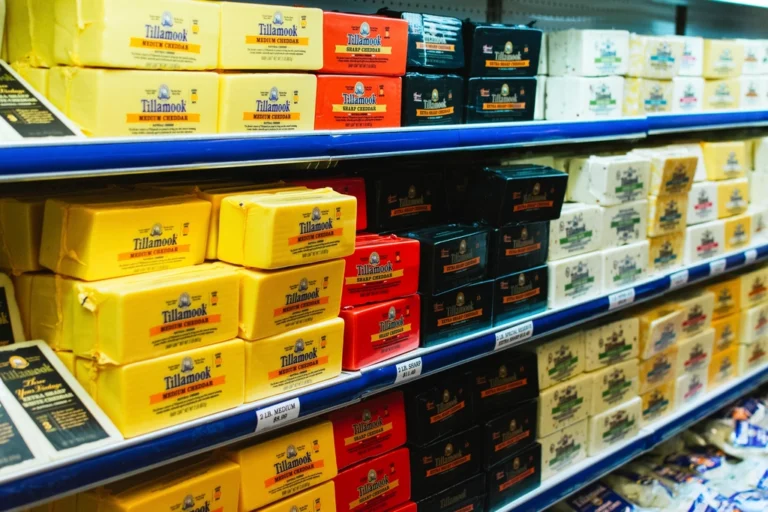
- Mild (1–3 months): soft, milky, mild — good for melting
- Medium (3–6 months): more body and a gentle tang
- Mature (6–12 months): sharper, fuller, with a savoury depth
- Extra mature / vintage (12–24 months+): intense, crystalline, sometimes with a crunch of amino-acid crystals
As Cheddar ages, moisture leaves and flavour concentrates. Long-aged Cheddars develop the same crunchy crystals found in long-aged Gouda — a sign of quality, not a defect.
Real vs mass-produced Cheddar
Traditional Cheddar is made in cloth or wax, matured in cool rooms for months, and sold as wheels or large blocks. Industrial “Cheddar” is often made by a continuous process, vacuum-sealed while young and sold within weeks. Both are legal; only one tastes like Cheddar. If the label says “West Country Farmhouse Cheddar” it carries a protected designation and must meet defined standards.
Colour
You may have noticed that some Cheddar is bright orange and some is pale cream. The orange colour comes from annatto, a natural plant dye added during making. It changes nothing about the flavour. White Cheddar is simply Cheddar without the dye — not a different quality.
How to use Cheddar
- Mild/medium: melting, grating, cheese sauce, sandwiches
- Mature: eating on its own, on a board, with apple or chutney
- Extra mature: savouring, pairing with port or a strong ale
For a ploughman’s lunch or a cheese board, always choose mature or extra mature — that is where Cheddar becomes special.
Pairings
- Wine: a robust red (Cabernet, Rioja), or a dry cider
- Beer: a classic pairing with India Pale Ale or a strong ale
- Food: apple, grapes, pickle, chutney, walnuts
Frequently asked questions
Is white Cheddar better than orange?
No — colour is cosmetic, from annatto. Judge by age and producer, not hue.
How long does Cheddar keep?
Wrapped tightly and refrigerated, a mature Cheddar keeps for weeks. Surface mould can be trimmed; the cheese beneath is fine.
Why does mature Cheddar crunch?
Those are crystals of the amino acid tyrosine that form during long ageing. They are a hallmark of a well-matured cheese.
Explore more classics: Gouda or Parmigiano Reggiano.