Brie vs Camembert: What’s the Real Difference?
Put a Brie and a Camembert side by side and most people would struggle to tell them apart. They share a white rind, a creamy interior and a French pedigree. But they are different cheeses with different characters — and once you know what to look for, the differences are obvious and delicious.
The short answer
Brie is larger, milder and gentler. Camembert is smaller, ripens faster and tastes more intense. If Brie is a soft spoken friend, Camembert is the one who tells the story at dinner.
Size and shape
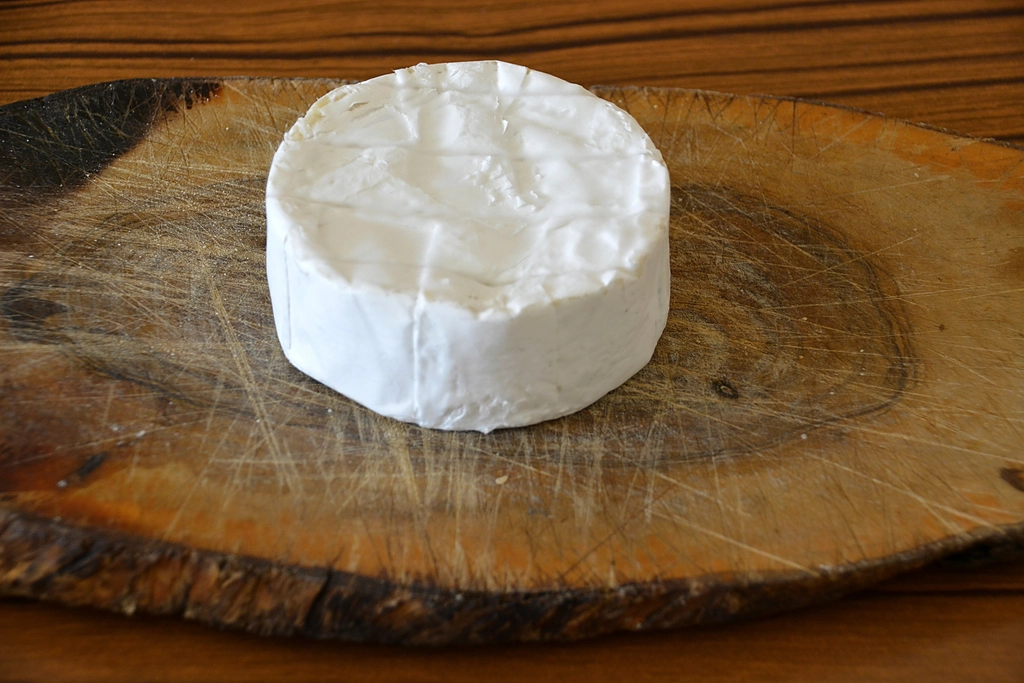
The most visible difference is scale. Traditional Brie de Meaux is a large, flat wheel — often 35 cm across and just a few centimetres deep. Camembert de Normandie is much smaller, typically around 11 cm across. That size difference is not incidental; it drives everything else.
Why size changes the flavour
Both cheeses ripen from the outside in, through that white rind. In a big, thin Brie wheel, the mould has a long way to travel across but a short distance down — so the cheese ripens slowly and evenly, staying gentle. In a small Camembert, the rind is close to the centre from the start, so ripening happens quickly and the cheese can become runny and pungent in a matter of weeks.
Flavour compared
- Brie: creamy, buttery, mild, with notes of mushroom and hazelnut. The larger wheels are often noticeably softer in flavour.
- Camembert: richer, earthier, more pungent, with a stronger farmyard and mushroom character, especially as it matures.
Both should smell pleasant and earthy. A sharp ammonia smell means either has gone too far.
How to choose between them
- Choose Brie for a large gathering, a cheese board where it plays alongside several others, or when you want something mild and crowd-pleasing.
- Choose Camembert when you want a baked centrepiece, a bolder flavour, or a smaller wheel that ripens fast.
- Baked: Camembert is the classic for baking whole — it fits a dish, ripens quickly and oozes beautifully.
Are they interchangeable?
Mostly, yes — in a baked dish or on a board you can usually swap one for the other. Just expect Camembert to bring more intensity and Brie to bring more finesse. If a recipe calls for one and you only have the other, go ahead; the result will still be delicious.
Serving both
Take either out of the fridge at least 30 minutes before serving, and cut into wedges so every portion gets some rind and some paste. Pair with something acidic or sparkling — Champagne, cider or a light red — to balance the creaminess.
Frequently asked questions
Is Camembert just a small Brie?
No. They share a family and a method, but their size, ripening speed and flavour are genuinely different.
Which is healthier?
Nutritionally they are very similar — both are soft, fatty, mould-ripened cow’s milk cheeses. Neither is meaningfully “healthier”; portion and variety matter more.
Which one should I buy first?
Start with Brie for its gentle flavour, then try a good Camembert to taste the difference for yourself.
Read the full guides: What Is Brie Cheese? and Camembert Cheese.