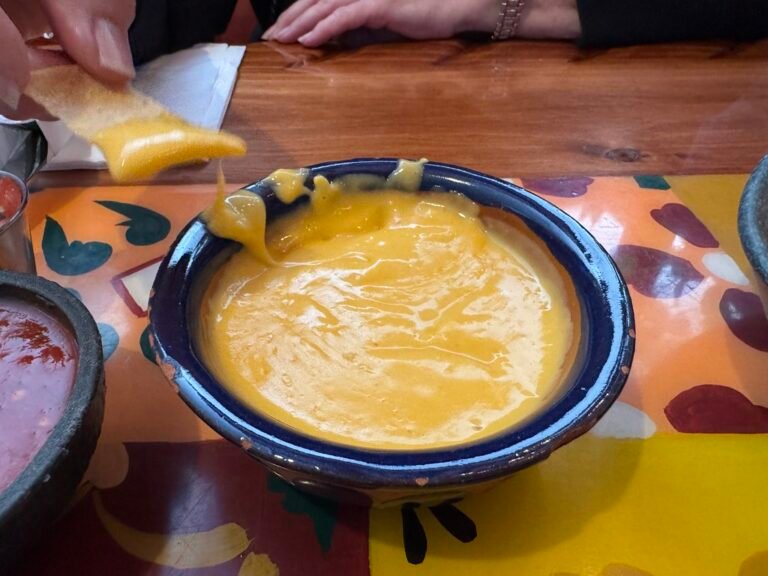
How to Make a Classic Cheese Sauce That Never Splits
A good cheese sauce is the foundation of mac and cheese, cauliflower cheese, nachos and a dozen other dishes. A bad one is grainy, greasy or split into a pool of oil. The difference comes down to technique, not luck — and once you know the method, it works every time.
The problem: melted cheese wants to split
Cheese is an emulsion of fat, water and protein. Heat it too hard or too fast and the fat pulls away from the water, leaving you with a slick of grease. The fix is to stabilise the cheese before it melts — which is exactly what a white sauce (a roux-based béchamel) does.
What you need
- 2 tablespoons butter
- 2 tablespoons plain flour
- 1 cup (240 ml) whole milk, warm
- 2 cups (about 200 g) grated cheese
- A pinch of mustard powder or a teaspoon of Dijon (optional, but it helps)
- Salt and a little grated nutmeg
Method
1. Make a roux
Melt the butter in a saucepan over medium-low heat. Whisk in the flour and cook for one to two minutes, stirring constantly, until it smells biscuity but has not coloured. This cooks out the raw flour taste.
2. Add the milk gradually
Pour the warm milk in a slow stream, whisking constantly. Adding it warm and slowly prevents lumps. Keep whisking until the sauce thickens enough to coat the back of a spoon.
3. Season before the cheese
Stir in the mustard, a little salt, pepper and nutmeg now. Seasoning the base means you taste less salt overall.
4. Take it off the heat before adding cheese
This is the step most people get wrong. Pull the pan off the heat, wait ten seconds, then add the cheese in handfuls, stirring until each addition melts before the next. Residual heat is plenty.
Choosing the right cheese
Some cheeses melt smoothly; others turn stringy, greasy or grainy. For a pourable sauce, blend:
- Melting workhorses — Cheddar, Gruyère, Comté, Fontina, Gouda, Monterey Jack
- A little blue or Parmesan — for punch, in small amounts
- Avoid — very young mozzarella (stringy), feta (crumbly), and heavily aged cheeses alone (grainy)
A blend of a melter and a flavour cheese is the classic trick: 80% Cheddar and 20% Gruyère, for example.
Rescuing a split sauce
If the sauce breaks, do not panic and do not keep heating it. Take it off the heat. In a separate cup, mix a teaspoon of cornflour with a tablespoon of cold water, then whisk it into the warm sauce and return it briefly to low heat. Alternatively, whisk in a tablespoon of cold milk or a knob of cold butter to re-emulsify.
Make it ahead
Cheese sauce thickens as it cools and can turn gluey in the fridge. To reheat, warm it gently with a splash of milk, stirring until smooth. Never microwave it on full power.
Once you have this sauce mastered, put it to work in our three-cheese mac and cheese, or use milder melting logic in a cheese fondue.