Feta Cheese: Everything You Need to Know
Feta is one of the oldest cheeses in the world and one of the most useful. Crumbly, salty and tangy, it is the backbone of a Greek salad, a hero in pies and pastries, and — whipped with a little honey — one of the fastest, most impressive starters you can make.
What feta is
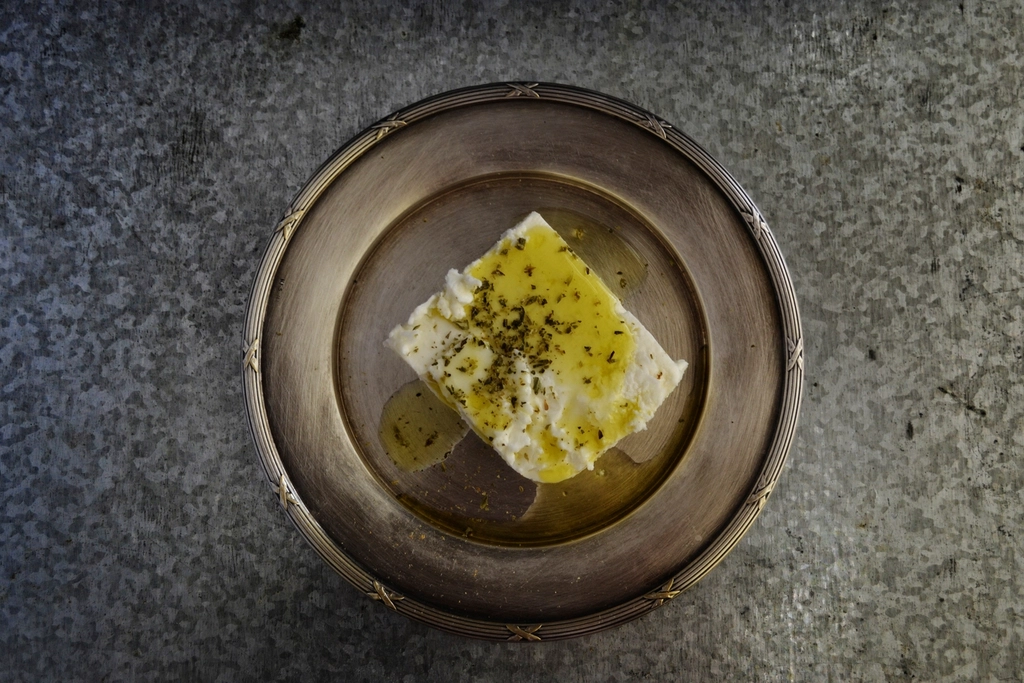
Feta is a brined, white, crumbly cheese traditionally made from sheep’s milk, or a mixture of sheep’s and goat’s milk. It is not pressed and not aged in the usual sense: after draining, it is stored and matured in brine, which gives it its salty character and preserves it. Authentic Greek feta carries a protected designation (PDO), and must be made in specific regions of Greece from at least 70% sheep’s milk.
Why feta is salty
Feta’s saltiness comes from its brine. Unlike pressed cheeses, where salt is absorbed during ageing, feta sits in salt water, which seasons it throughout and helps it keep. This is not a fault — it is the defining feature, and it is why feta balances so well against sweet, oily and acidic ingredients.
Real feta vs “salad cheese”
Many white, crumbly cheeses sold cheaply are technically “white cheese” or “salad cheese” rather than true feta. They are often made from cow’s milk and lack feta’s tang and texture. Look for the word feta and, ideally, a PDO mark and a country of origin of Greece.
How to use feta
- Greek salad — with tomatoes, cucumber, olives, oregano and olive oil
- Whipped feta — blended smooth with a little yogurt, topped with honey and pistachio
- Baked feta pasta — the viral dish that works because feta melts into a creamy sauce
- Spanakopita and pies — crumbled into fillings with spinach and herbs
- On the grill — thick slabs grilled or pan-fried until golden
Pairings
- Wine: a crisp white such as Assyrtiko or Sauvignon Blanc; also good with a dry rosé
- Food: watermelon (the classic salty-sweet pairing), tomato, olives, honey, oregano
Storage
Keep feta in its brine in a sealed container in the fridge. If the brine is lost, make a simple salt-water solution to cover it — feta dries out and loses texture without liquid. It keeps for weeks this way.
Frequently asked questions
Is feta always made from sheep’s milk?
Authentic Greek PDO feta is at least 70% sheep’s milk, often with some goat’s milk. Cheaper versions may be cow’s milk.
Is feta vegetarian?
Feta is made with animal rennet traditionally. Some producers use microbial rennet — check the label.
Can you eat feta if pregnant?
Feta made from pasteurised milk is generally considered fine. Brined cheeses are usually safer than soft mould-ripened ones, but check current guidance.
Make it: our whipped feta with honey takes five minutes.