Types of Cheese: A Complete Guide to the Seven Families
There are said to be well over a thousand named cheeses in the world, but you do not need to memorise them all. Almost every one of them belongs to just seven families, grouped by how they are made rather than where they come from. Learn the seven and you can walk into any cheese shop, or any unfamiliar country, and know roughly what you are looking at.
Why technique matters more than geography
It is tempting to sort cheese by country — French, Italian, Dutch. But place matters less than method. The same milk, drained the same way and aged the same length of time, produces broadly the same kind of cheese wherever it is made. That is why a soft, white-rinded cheese from Normandy and one from California taste like cousins: they share a technique.
The seven families of cheese
1. Fresh cheeses
Unaged and milky — ricotta, mozzarella, fromage blanc, and most chèvre. Fresh cheeses are made by curdling milk and draining it, and they are meant to be eaten within days. Expect bright, clean, dairy flavours and a soft, sometimes spoonable texture.
2. Soft-ripened (bloomy-rind) cheeses
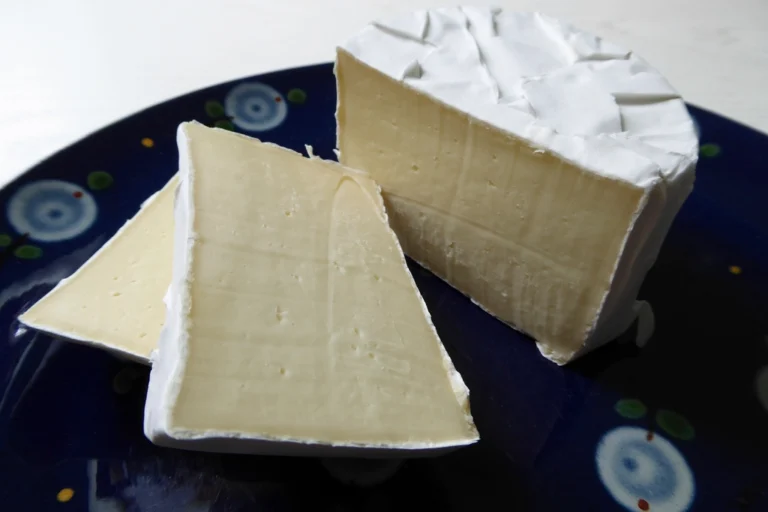
Brie and Camembert are the famous members. These cheeses are ripened from the outside in by a white mould, so the centre stays runny while the rind holds everything together. The flavour runs from mushroom and cream to a gentle farmyard tang as they mature.
3. Washed-rind cheeses
Also called stinky cheeses. Époisses, Taleggio, Munster and Limburger are washed in brine during ageing, encouraging a sticky orange rind and a bold, savoury, sometimes confronting aroma. The paste inside is often far milder than the smell suggests.
4. Semi-hard and pressed cheeses
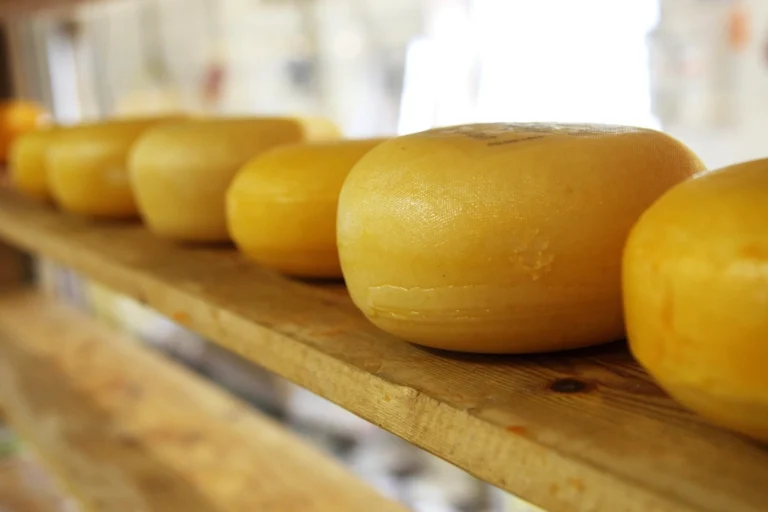
Cheddar, Gouda, Manchego and Comté. The curds are cooked and pressed into wheels, then aged. This is the largest and most familiar family — firm, sliceable and full of range, from mild and buttery to sharp and crystalline.
5. Hard and grating cheeses
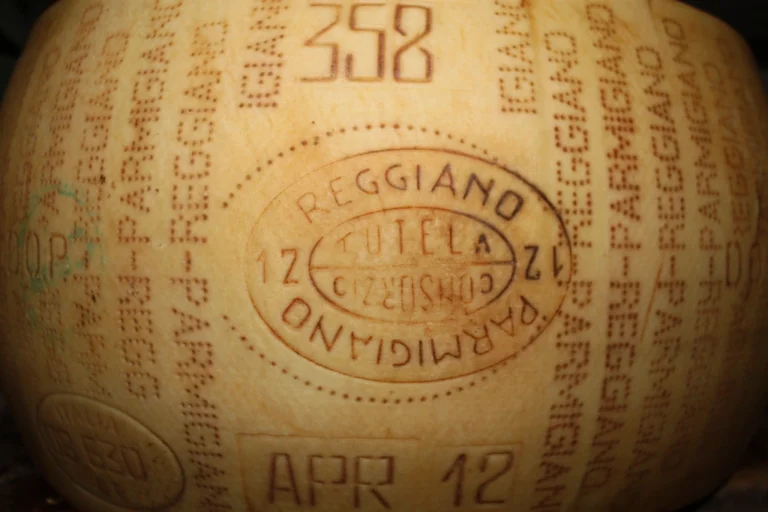
Parmigiano Reggiano, Pecorino, aged Gruyère and Grana Padano. Dense, dry and packed with umami, these are the cheeses you grate. Long ageing creates tiny crystals of amino acids that crunch pleasantly between your teeth.
6. Blue cheeses
Roquefort, Gorgonzola, Stilton and Danish blue. These are pierced so air reaches the interior, allowing blue mould to vein the paste. The result is salty, sharp and forthright — a family that divides opinion and rewards curiosity.
7. Goat’s and sheep’s milk cheeses
Not a technique but a milk, and worth its own family because goat’s and ewe’s milk behave so differently. They tend to be tangier and grassier than cow’s milk, and they offer a lifeline to anyone who digests them more easily than cow’s milk cheese.
A quick way to remember
- Fresh — eat now, mild and milky
- Bloomy — soft, white rind, creamy centre
- Washed — orange rind, big aroma
- Pressed — firm, sliceable, ages beautifully
- Hard — dense, grateable, umami-rich
- Blue — veined, salty, bold
- Goat & ewe — tangy, grassy, distinct
How to use this
Next time you buy cheese, identify the family first. A bloomy cheese wants to be served at room temperature and eaten soon; a hard cheese wants to be grated and stored longer. Understanding the family tells you how to treat the cheese — which is most of what good cheese enjoyment is.
Where to go next
From here, explore the individual classics: what Brie actually is, the range of Cheddar, or a guide to blue cheese. Each one belongs to a family above — and each is a doorway into the whole subject.
New to buying cheese? Start with our guide on how to choose cheese well.