What Is Brie Cheese? A Complete Guide
Brie is the cheese most people picture when they imagine something luxurious: a pale wheel under a snowy white rind, softening to a molten centre as it warms. It is one of the world’s great cheeses, and one of the easiest to enjoy — once you know a few things about it.
What Brie actually is
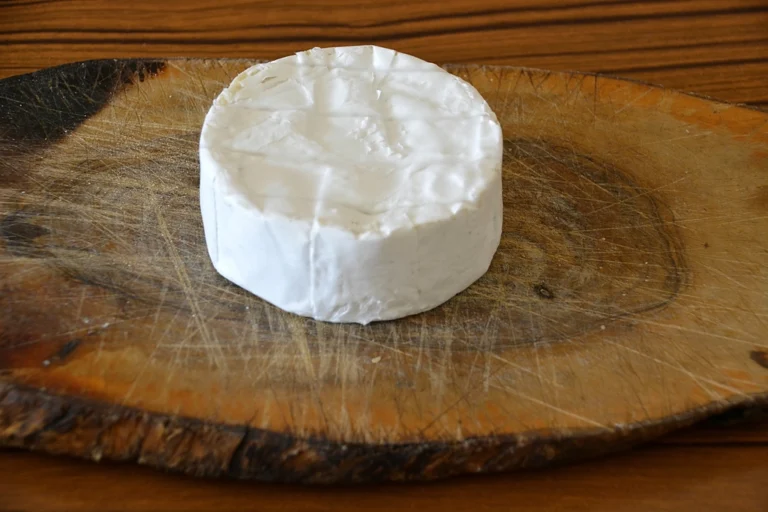
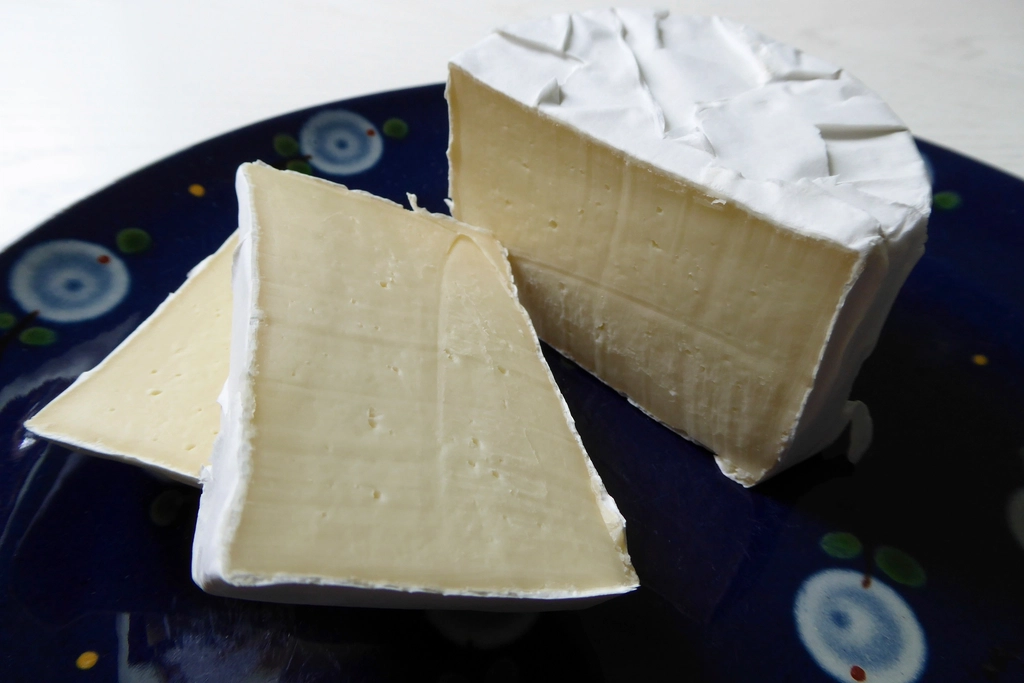
Brie is a soft-ripened, bloomy-rind cheese made from cow’s milk. It takes its name from Brie, a historic region east of Paris where it has been made for centuries. The white rind is not wax and not mould to be avoided: it is a living layer of mould that ripens the cheese from the outside in.
Traditionally Brie is made in large, flat wheels about 35 centimetres across. This shape matters. Because the wheel is wide and shallow, the ripening mould can reach the centre before the cheese dries out — which is exactly why Brie becomes creamy rather than firm.
What Brie tastes like
Young Brie is mild, buttery and faintly mushroomy, with a chalky centre. As it matures, the paste becomes soft and runny and the flavour deepens toward cream, hazelnut and a gentle farmyard note. The rind tastes earthier than the inside — many people eat it, some leave it, and both are correct.
Brie vs Camembert
They look alike and share a technique, but they are not identical. Brie is usually the larger, milder and gentler of the two; Camembert is smaller, ripens faster and tends to be more pungent and intense. If you enjoy one, try the other — the difference is genuinely worth tasting. For the full comparison, see our guide to Brie versus Camembert.
How to serve Brie
- Warm it. Take Brie out of the fridge at least 30–60 minutes before serving. Cold destroys the texture that makes it special.
- Cut it properly. Cut Brie into wedges like a cake, so each portion gets rind and paste. Slicing across the whole wheel leaves some pieces rindless and others all rind.
- Not too ripe. A good Brie is soft and yielding, but should never smell of ammonia — a sharp, chemical whiff means it is over the hill.
How to store it
Wrap Brie in waxed or parchment paper, then loosely in a plastic bag, and keep it in the warmest part of the fridge — the vegetable drawer is ideal. Eat it within a week or so of buying. A whole Brie will continue to ripen, so buy it close to when you plan to eat it.
Great pairings for Brie
- Wine: Champagne, Chablis or a soft, light red such as Pinot Noir
- Beer: a dry saison or a crisp pilsner
- Food: figs, grapes, honey, walnuts, crusty bread
Creamy Brie loves something with acidity or bubbles to cut through it — which is why sparkling wine is such a reliable match.
Frequently asked questions
Is the white rind on Brie safe to eat?
Yes. The rind is edible mould and is meant to be eaten. Some people prefer to leave it for texture, which is entirely a matter of taste.
Can you eat Brie if you’re pregnant?
Because it is a soft, mould-ripened cheese, Brie is one of the cheeses often avoided during pregnancy unless it is made from pasteurised milk and thoroughly cooked. Check current health guidance for your situation.
How long does Brie last?
Roughly one to two weeks in the fridge, depending on ripeness when bought. Once cut, wrap the cut face tightly and eat within a few days.
Next: read Brie vs Camembert, or explore Camembert in depth.