How to Make a Classic Cheese Sauce That Never Splits
Grainy, greasy cheese sauce is avoidable. Here is the roux-based method, the best melting cheeses and how to rescue a sauce that splits.
Subscribe to be the first to learn about a new recipe. Sign up today!

Grainy, greasy cheese sauce is avoidable. Here is the roux-based method, the best melting cheeses and how to rescue a sauce that splits.

New to a cheese counter? Learn how to choose cheese well: identify the family, use your senses, read the label, and buy for how you’ll eat it.
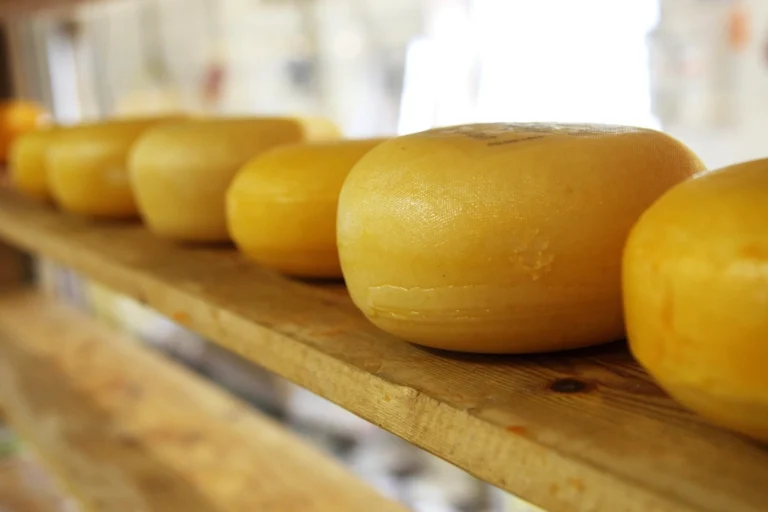
Washed-rind cheeses like Époisses and Taleggio smell far stronger than they taste. Here’s how the family is made, the main types, and how to serve them.

Burrata and mozzarella look alike but are completely different inside. Here’s how burrata’s creamy centre is made, and how to use each cheese.

Halloumi is the salty, squeaky Cypriot cheese that grills without melting. Here’s what it is, why it holds its shape, and how to cook it perfectly.
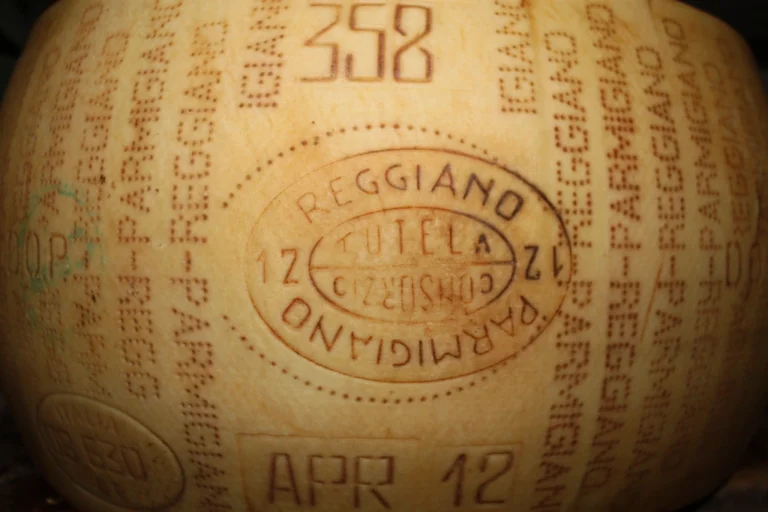
Pecorino Romano and Parmigiano are both Italian grating cheeses, but one is sharp and salty and the other nutty and sweet. Here’s when to use each.

Comté is France’s favourite protected cheese — a nutty, brown-butter mountain wheel that transforms with age. Here’s how to choose, serve and pair it.

Camembert is Normandy’s soft, bloomy classic — creamy, earthy and perfect for baking whole. Here’s how it’s made, how it tastes and how to serve it.

Roquefort is the oldest of the blue cheeses — a sharp, salty sheep’s milk cheese aged in one village’s caves. Here’s what makes it special and how to serve it.
Gruyère and Emmental are both Swiss and both melt well, but they differ in flavour and ageing. Here’s how they compare and which to use when.