Feta Cheese: Everything You Need to Know
Feta is salty, tangy and endlessly useful. Learn why real feta is brined, how to spot it, how to store it, and the best ways to use it in the kitchen.
Subscribe to be the first to learn about a new recipe. Sign up today!
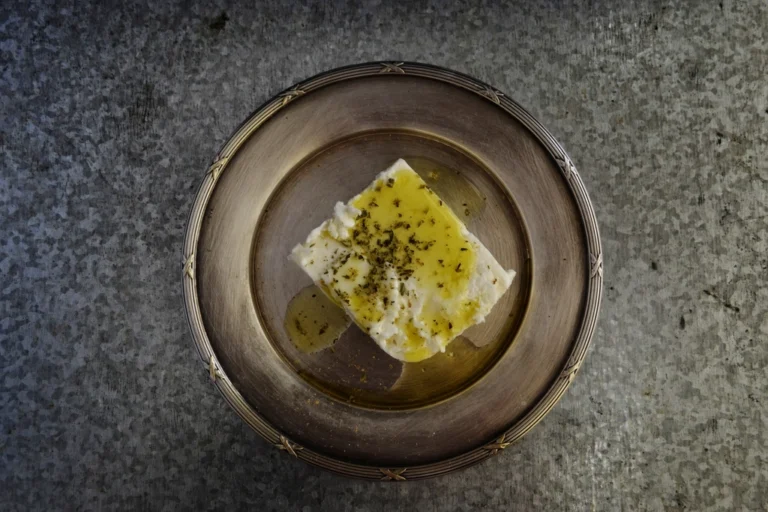
Feta is salty, tangy and endlessly useful. Learn why real feta is brined, how to spot it, how to store it, and the best ways to use it in the kitchen.
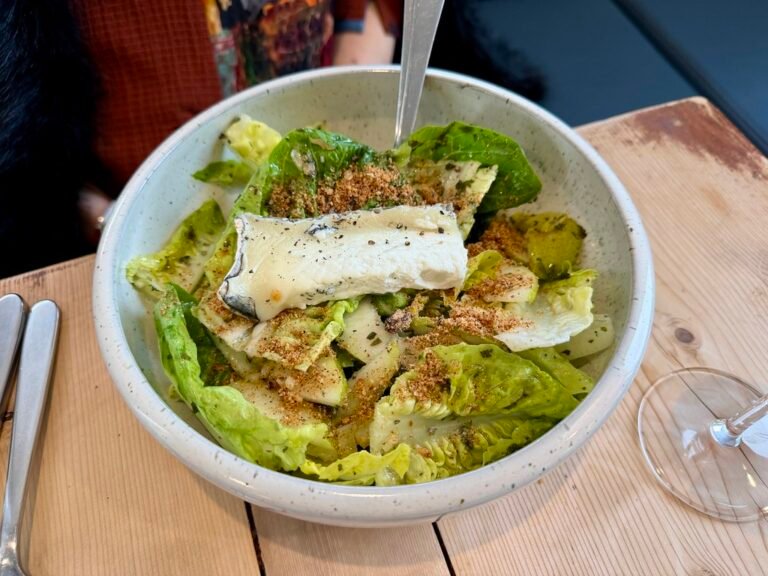
Goat cheese runs from soft, lemony chèvre to dense, nutty aged wheels. Here’s the full range, how it tastes, and how to serve and pair it.

Manchego is Spain’s iconic sheep’s milk cheese. Here’s how ageing changes it from mild and springy to dense and piquant, plus how to serve and pair it.

Fresh mozzarella and the low-moisture block are almost different foods. Learn the difference, plus buffalo mozzarella, how it’s made and how to store it.

Blue cheese isn’t one flavour but a whole family — from creamy Gorgonzola dolce to fierce Roquefort. Here’s how it’s made, how it tastes, and how to enjoy it.

Parmigiano Reggiano and generic “Parmesan” look alike but differ in law and flavour. Here’s how to spot the real thing and when each is worth buying.

Young Gouda is mild and springy; aged Gouda is caramel-sweet and crystalline. Here’s how age transforms the Netherlands’ most famous cheese.

Cheddar isn’t one cheese but a whole spectrum, from mild and milky to sharp and crystalline. Here’s how ageing, colour and method change what you taste.
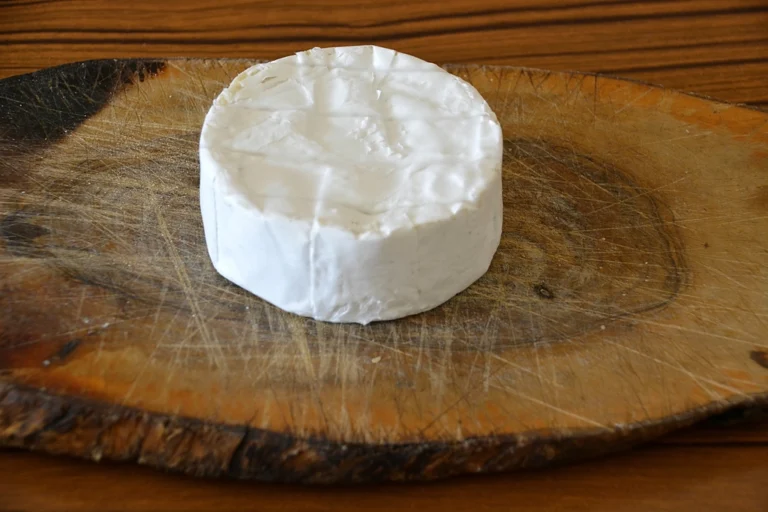
Brie and Camembert look almost identical, but size, ripening and flavour set them apart. Here’s how to tell them apart and which to choose.
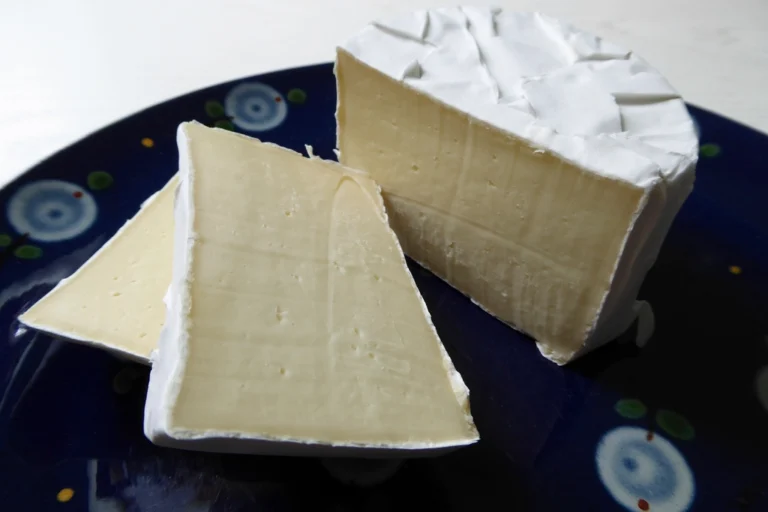
Brie is the classic soft-ripened cheese — but why is the rind white, how should you serve it, and how does it differ from Camembert? A complete guide.